
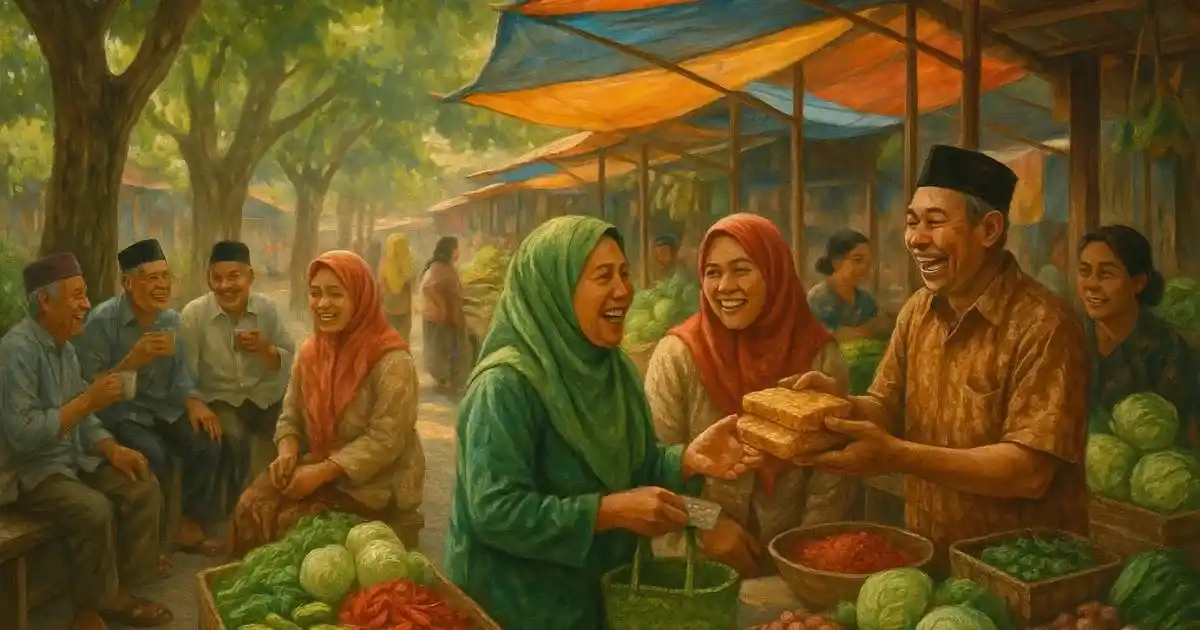
Yogyakarta has always had a special way of blending timeless culture with modern living. Today, that harmony comes alive in an unexpected place — the traditional market.
Once known only as a spot for buying vegetables, spices, and daily needs, Jogja’s traditional markets have transformed into social hubs where people come not just to shop, but to hang out and enjoy a good cup of coffee. The aroma of freshly brewed beans mingles with the scent of kue pasar (traditional snacks) and fried anchovies — creating a truly “Jogja” atmosphere.
Coffee Corners Amid Market Chaos
Over the past few years, small cafés and coffee stalls with a rustic-modern twist have started popping up in markets like Pasar Prawirotaman, Pasar Beringharjo, and Pasar Kotagede.
You’ll find teakwood benches, exposed brick walls, and baristas who can pull perfect espressos and pour intricate latte art. Most of these coffee stalls open in the early morning and stay busy until noon, blending naturally with the daily rhythm of trading and bargaining.
Some cafés even serve authentic local breakfasts — lupis, jadah tempe, or sego kucing — as the perfect companions to their coffee.
Where Tradition Meets Taste Innovation
It’s not just about coffee. The culinary scene within Jogja’s traditional markets has evolved, offering a fusion of traditional and modern flavors. Among the rows of vegetable and batik stalls, you can now spot vendors selling local coffee blends, nostalgic pastries, herbal drinks (wedang rempah), and even sandwiches filled with tempe mendoan.
This creative mix has turned markets into more than just shopping destinations — they’ve become community spaces where young people, tourists, and local culinary entrepreneurs connect. Visitors come not merely to buy things, but to savor the warm, aesthetic, and cultural essence of the market.
Living Heritage, Revitalized
Interestingly, this modernization hasn’t erased the old charm — it has revived it.
The vintage architecture, narrow aisles, and market sounds are now part of the experience. Many young entrepreneurs intentionally preserve the original layout and structure, ensuring the market’s heritage remains intact.
Supported by the Yogyakarta City Government’s cultural revitalization programs, these markets are evolving into spaces that celebrate both the economy and tourism — true “heritage meets lifestyle” destinations.
Between Haggling and the Smell of Coffee
What makes coffee at the market truly special is the atmosphere — one that no modern café can replicate.
On one side, a barista carefully measures coffee grounds; on the other, you can hear the lively banter of shoppers haggling over chili prices or vendors weighing vegetables.
This contrast forms a kind of harmony that feels uniquely Jogja — relaxed yet vibrant, simple yet soulful.
Today, Yogyakarta’s traditional markets are no longer just places of trade. They’ve become cultural crossroads where tradition meets contemporary lifestyle.
Having coffee in the market is more than just a trend — it’s a new way to experience Jogja’s warmth, community spirit, and stories. Amid the fragrance of spices and roasted coffee, these traditional markets remind us that the past and present can indeed sit together — in the same cup.
Comments