
Sharia. As weddings approach, Indonesian couples often focus on rituals and traditions — but financial know-how is just as crucial. The Ministry of Religious Affairs (Kemenag) is pushing for sharia-based economic literacy to be included in pre-marriage guidance so that engaged couples (catin) can manage household finances responsibly and avoid becoming trapped by predatory online lenders (pinjol).
From “Tepuk Sakinah” to practical money skills
Kemenag’s recent initiatives — building on attention around the popular “Tepuk Sakinah” method used in premarital sessions — emphasize that memorizing values alone is not enough. Authorities want marriage preparation (bimbingan pernikahan or bimwin) to also teach financial planning, basic household budgeting, and the principles of sharia finance so newlyweds enter marriage with practical tools, not just slogans.
Why sharia financial literacy matters
Financial stress is a known contributor to marital tension and divorce. By integrating sharia economics into premarital education, KUA offices and marriage counselors can reach couples at a strategic moment when they’re receptive to learning about joint money management, halal (permissible) financial contracts, and how to avoid high-interest or unlawful lending models. The goal: build resilient households grounded in both religious values and sound economic behavior.
Tackling the pinjol problem
One clear target of this push is the rapid growth of fintech lending platforms that offer quick loans with opaque fees and aggressive collection practices. Kemenag officials, working with stakeholders including Bank Indonesia, say that better public understanding of sharia alternatives and consumer rights can reduce dependence on these risky lenders and improve financial stability for families.
How the program is being rolled out
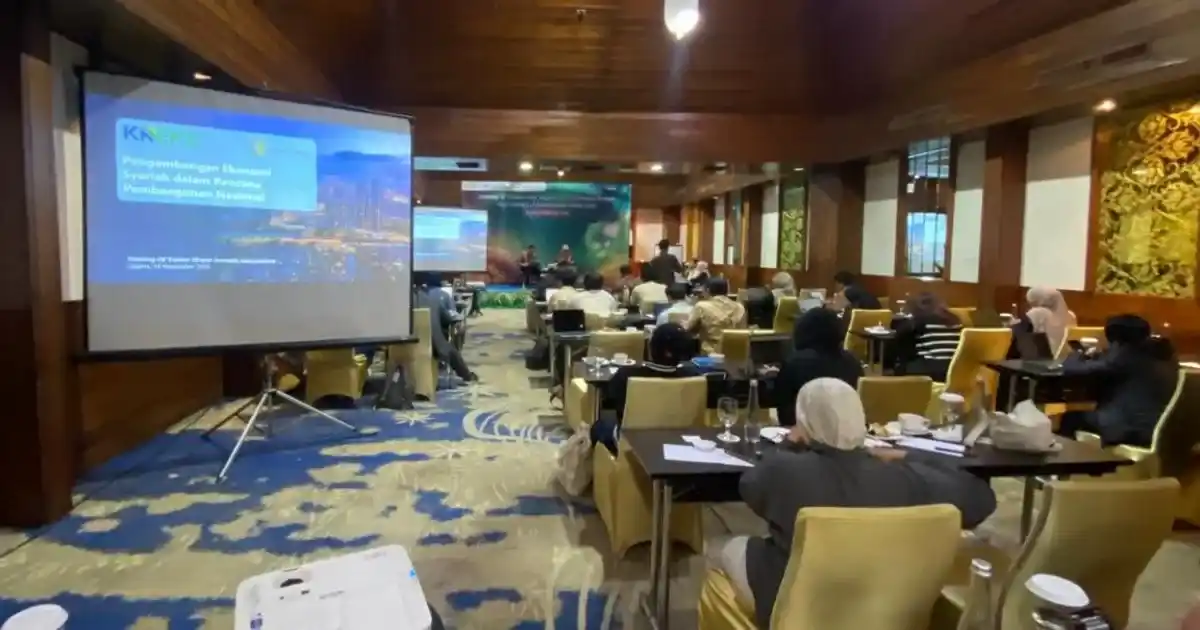
Kemenag has participated in Training of Trainers (ToT) events and is coordinating with media and financial authorities to spread accurate information about Islamic finance and household budgeting. The plan includes updating bimwin curricula, equipping KUA staff with clear teaching materials, and running outreach campaigns so couples across regions can access the content before marriage.
Practical lessons for engaged couples
Below are simple, actionable topics that premarital programs should cover:
- Basic household budgeting: How to create a joint monthly budget, allocate savings, and plan for emergencies.
- Understanding contracts (akad): What common sharia contracts mean — and how they differ from conventional debt.
- Avoiding predatory loans: Red flags in online lending (hidden fees, unclear repayment terms, abusive collection).
- Saving & emergency funds: Small habits that prevent the need for high-cost borrowing.
- Open money conversations: Communication techniques to align financial values and responsibilities.
These subjects can be taught in short, practical modules during premarital counseling so couples leave the session with concrete skills, not abstract ideals.
Role of KUA, banks, and communities
Kemenag stresses that the Office of Religious Affairs (KUA) is well-placed to deliver financial literacy because of its wide outreach to couples preparing for marriage. Collaboration with Bank Indonesia and Islamic financial institutions is intended to provide reliable resources and alternatives to risky fintech loans. Community leaders and religious teachers also play a role in normalizing conversations about money in marriage.
What couples should do now
If you’re engaged or planning to marry soon, take these steps:
- Ask your KUA whether premarital sessions include financial literacy.
- Start a simple joint budget and an emergency fund (even small, regular savings help).
- Learn the basics of sharia financial products available in your area.
- Avoid quick online loans unless you fully understand the terms — ask for written contracts.
- Talk openly about financial expectations with your partner and family.
Conclusion
Marriage guidance that mixes spiritual values with financial literacy can strengthen families and reduce the harm caused by predatory lending. Kemenag’s initiative to embed sharia economic literacy in premarital programs aims to equip couples with knowledge and tools that matter long after the ceremony — helping to build households that are both faithful and financially resilient.
Comments