
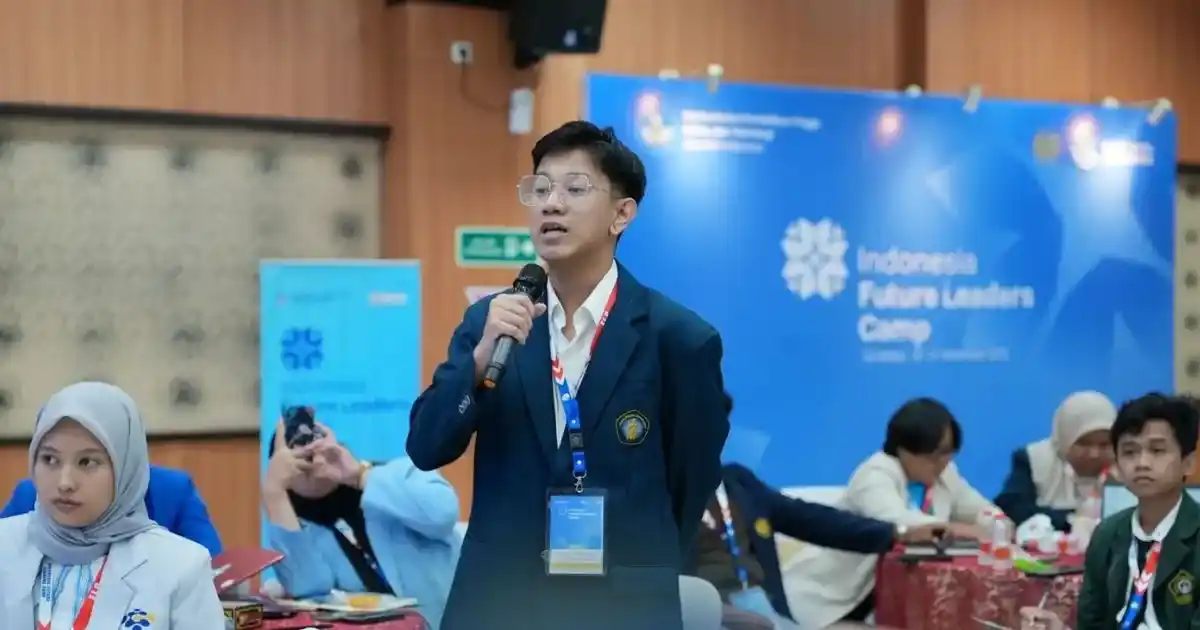
Education. Leadership in higher education must evolve. Today’s university leaders need more than administrative skills: they must combine rigorous evidence, empathetic engagement with people, and a drive for innovation that translates research into real-world benefit.
The Ministry of Higher Education, Science, and Technology (Kemdiktisaintek) promotes a leadership model grounded in science, guided by empathy, and focused on societal impact.
Why science-based leadership matters
Science-based leadership prioritizes evidence, critical inquiry, and the systematic use of research when making decisions. In universities this translates into program choices, campus policies, and community partnerships informed by data and proven practice rather than by habit or short-term pressure. Leaders who apply research insights can better measure impact, scale successful pilots, and correct course when outcomes diverge from expectations.
Empathy as an essential leadership skill
Technical know-how alone won’t solve education’s human problems. Empathy lets leaders listen to students, faculty, and community members; understand their lived realities; and design programs that address real needs. Empathetic leaders build trust, encourage cross-disciplinary collaboration, and create learning environments where diverse voices shape policy and practice. This human-centered approach strengthens the link between campuses and the communities they serve.
Innovation that connects research to society
Innovation in higher education must extend beyond lab results and publications. Universities should prioritize translational research that leads to practical solutions: assisting local industries, supporting small businesses, or developing services that improve livelihoods. Funding streams and programs that incentivize application-oriented projects help ensure that discoveries reach society and deliver measurable benefits.
Preparing the next generation of leaders
Building this leadership model requires intentional capacity-building: leadership courses, mentorships, and practical training that combine scientific literacy, ethics, and problem-solving. Structured programs expose prospective leaders to evidence-based management, stakeholder engagement, and innovation ecosystems—skills needed to run institutions that are academically excellent and socially responsive.
Institutional ecosystems: collaboration and funding
Sustainable change requires ecosystems where universities, local government, industry, and communities co-design solutions. Strategic funding that prioritizes translational research and community-facing projects accelerates ecosystem building. By aligning grants with societal outcomes, the ministry encourages projects that deliver measurable benefits beyond academia.
Practical steps for campus leaders
- Embed evidence in decision-making: use data and rigorous evaluation to set priorities and measure results.
- Center empathy in engagement: hold regular listening sessions with students, staff, and community stakeholders.
- Incentivize translational research: reward projects that demonstrate tangible outcomes for industry or community.
- Build interdisciplinary teams: pair technical researchers with social scientists and practitioners.
- Strengthen partnerships: create formal pathways for collaboration with regional government, firms, and NGOs.
Conclusion
Kemdiktisaintek’s emphasis on science-based leadership, empathy, and innovation points to universities that are both engines of knowledge and active problem-solvers for society. By cultivating leaders who value evidence and human connection equally, higher education can better meet the demands of a rapidly changing world—producing research and graduates that contribute directly to national development and community well-being.
Comments