Books

Reading Together: Small Steps for Indonesia
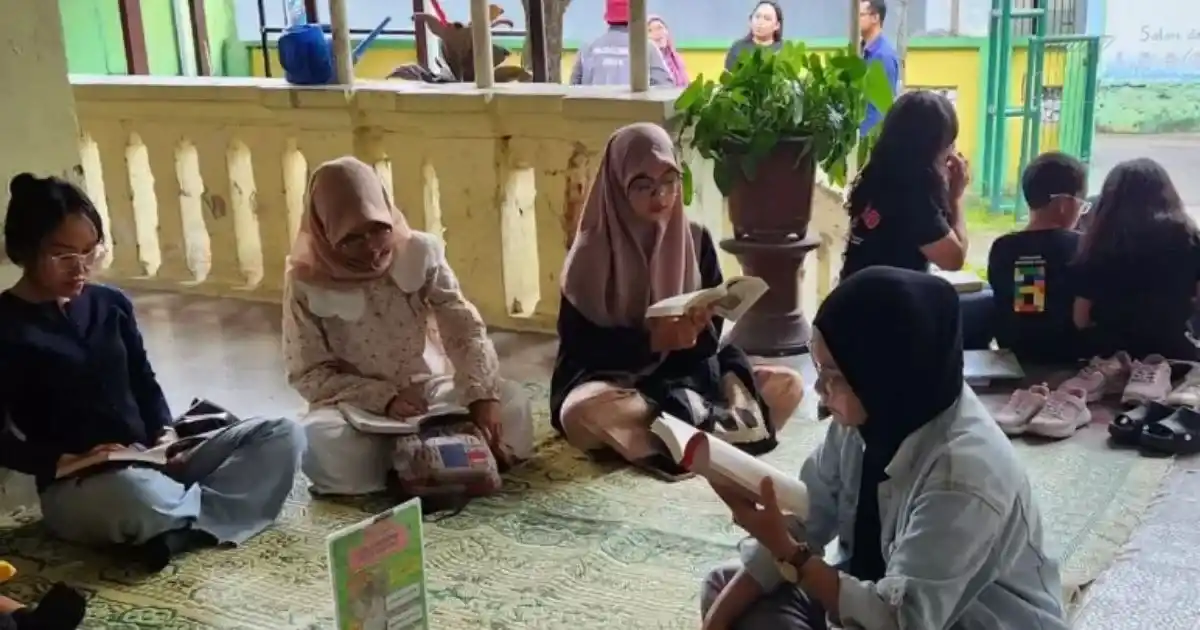
Community reading groups like Baca Bareng Jogja use silent reading and meetups to revive reading habits—small, practical steps toward Indonesia’s literacy recovery.
Books, Imagination, and Protests
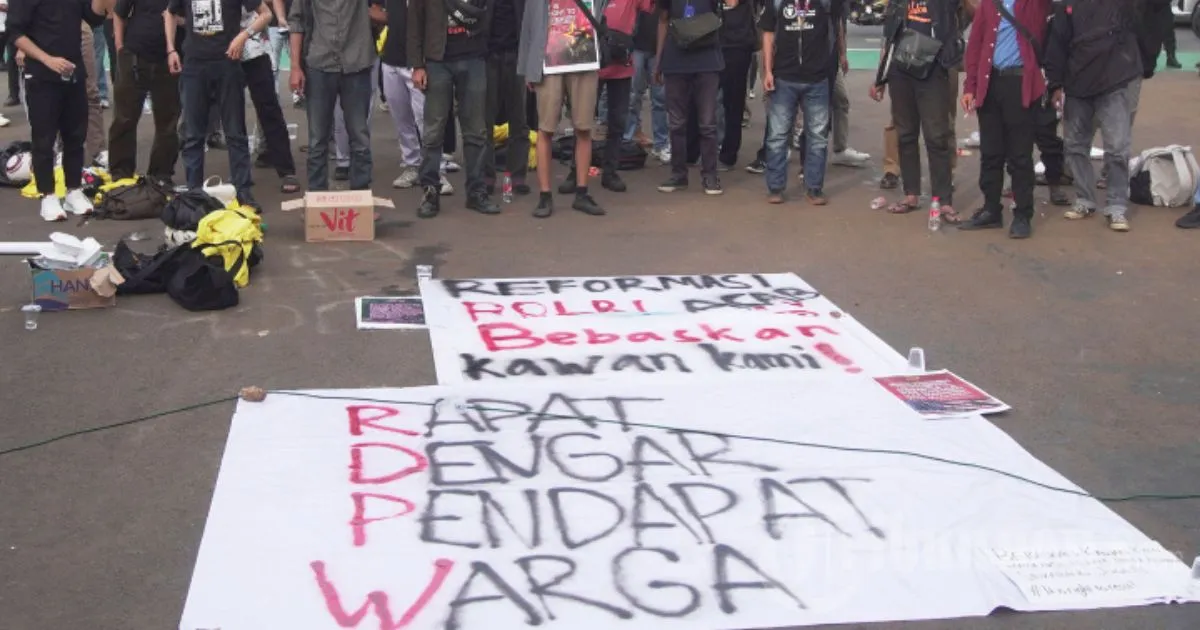
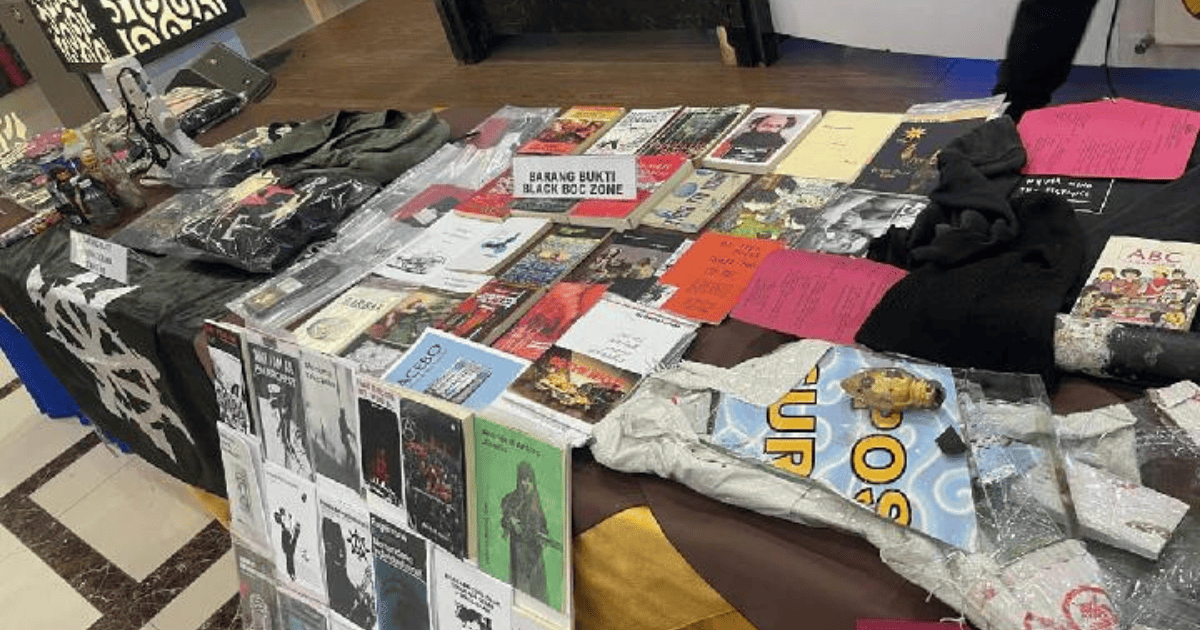
Students from the University of Indonesia turned their protest into a literacy movement by opening a book reading stall in front of the DPR building. Their symbolic act criticized declining intellectual maturity and police book confiscations, reminding Indonesia’s leaders that true reform and civilization are built upon literacy, imagination, and critical thought.
It’s so hard to read books, how come?
In 2034, Ratna and her friends dislike books, preferring games and cafes. Only Sari values reading and cleverly sparks their curiosity through a book-hunting trip. What begins as reluctance turns into excitement, transforming them into avid readers. From two books, a new culture of literacy, discussion, and shared passion is born.
Books and Memories, Two Things That Cannot Be Destroyed
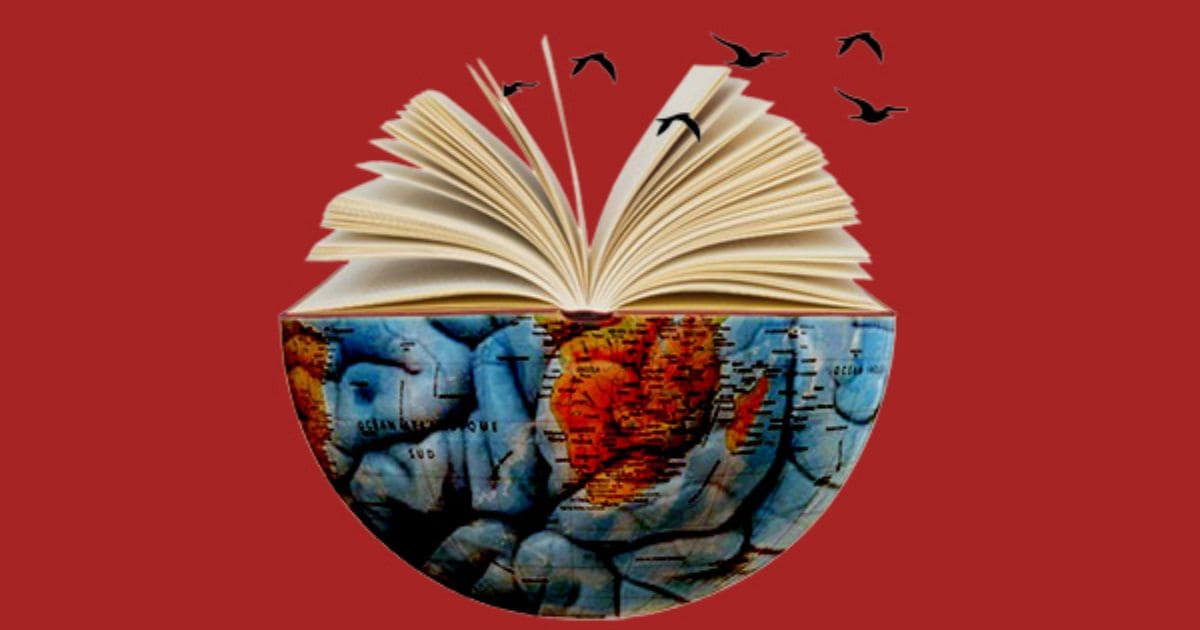
Books are more than paper — they’re memory and identity. Discover why burning books destroys culture but never ideas.
Now Helpless, Used Booksellers at Surabaya’s Blauran Market Have Been Abandoned by Buyers
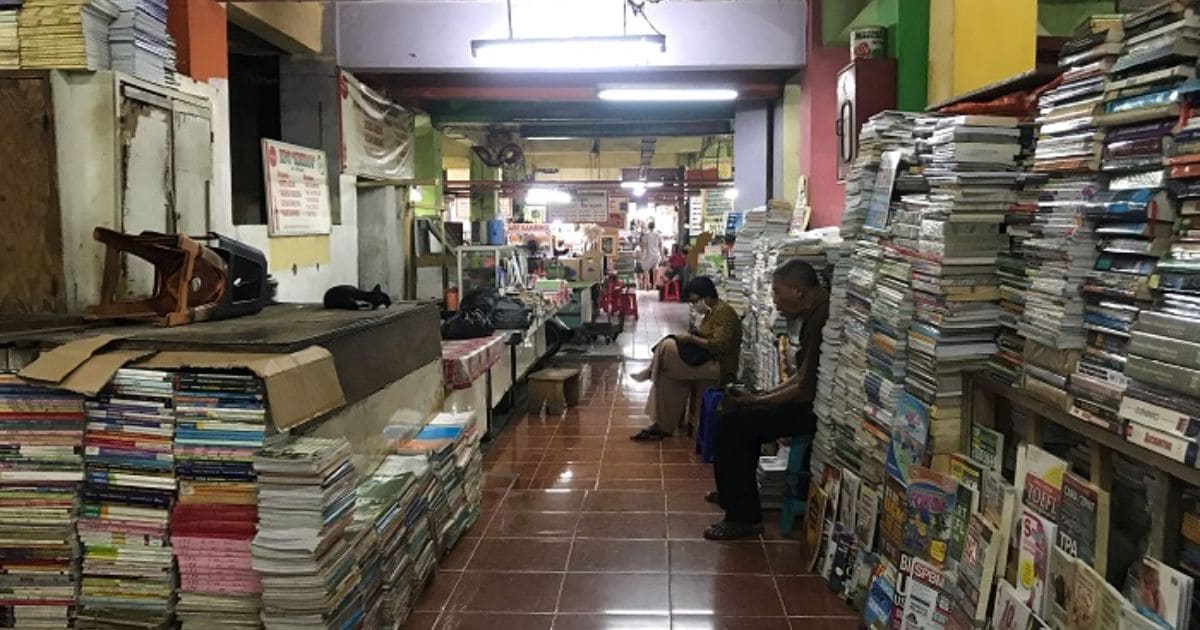
Once bustling with book lovers, Surabaya’s legendary Blauran Used Book Market now stands nearly empty after the Covid-19 pandemic and the rise of online sales. From 35 traders, only 7 remain, struggling to survive. Veteran sellers like Kusni and Saipul persist, valuing tradition and passion despite dwindling buyers and uncertain futures.
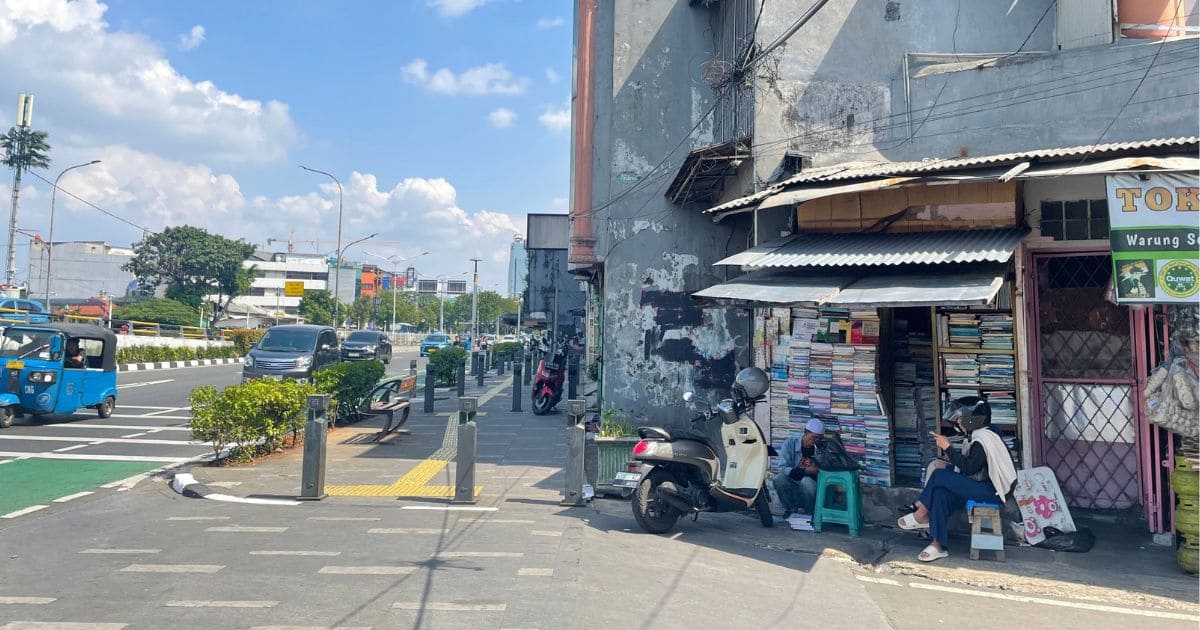
Kwitang: A Trace of a Book Paradise Now Deserted by Visitors
Once Jakarta’s book paradise, Kwitang now lies quiet, its bustling alleys of the 1980s–1990s replaced by fewer than 10 shops. Traders face plummeting sales as e-commerce and e-books dominate, yet the market endures—offering readers the irreplaceable joy of browsing shelves, finding rare gems, and savoring the city’s fading literary charm.
Karya Raya 2025 Showcases 1,870 Children’s Books at TIM
Karya Raya 2025 at Taman Ismail Marzuki presents 1,870 children’s books from both Indonesia and abroad, with 70 % contributed by domestic young authors. Each piece remains unedited, preserving the authenticity of their voices. This year’s exhibition set a new MURI record and celebrates youthful creativity and literacy nationwide.