
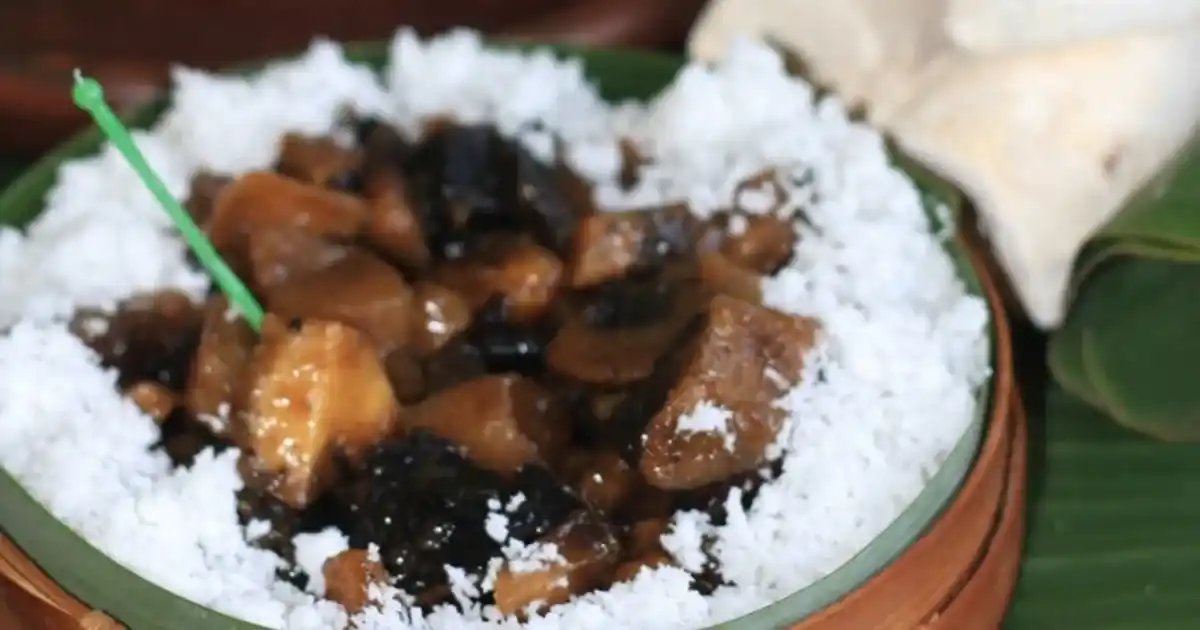
Culinary. Gatot, a traditional Javanese snack made from dried cassava, continues to flourish in Indonesia’s modern culinary scene.
Despite its humble origins, this chewy and lightly tangy cassava cake offers a nostalgic taste that keeps it relevant across generations.
What Is Gatot?
Gatot is crafted from gaplek—sun-dried cassava fermented and steamed to create a chewy, slightly sour traditional snack. Rooted in Javanese culinary heritage, its preparation methods are passed down through generations, making it both culturally rich and deeply personal.
Ingredients and How It’s Made
The process begins with dried cassava that is rehydrated and mashed. Some makers mix in rice or shredded coconut, then allow the mixture to ferment. It is shaped, steamed, or lightly grilled to develop its signature texture. Once a practical village staple due to cassava’s abundance, gatot remains a symbol of resourcefulness and tradition.
Why Gatot Endures Today
Several reasons keep gatot popular:
- Cultural nostalgia: Many Indonesians associate gatot with markets, village life, and family kitchens.
- Simple and sustainable: It uses affordable, locally grown cassava with minimal waste.
- Modern twists: Vendors are innovating with toppings like palm sugar, chocolate, and sesame, broadening its appeal to younger consumers.
Where to Find Gatot Today
Gatot can still be found in traditional markets, roadside snacks, regional festivals, and increasingly in curated urban food stores. Some small producers now package it for online sales, bringing it to a wider audience.
Tips for Enjoying Gatot
- Look for a consistent chewy texture with mild sourness—signs of good fermentation.
- Try it plain first, then explore versions topped with grated coconut or palm sugar.
- Sample modern variants to see how the dish evolves without losing its roots.
A Simple Snack with a Cultural Legacy
Gatot is more than a cassava cake—it’s a living part of Javanese culture. Its survival in modern times proves that traditional foods can adapt while preserving their identity.
Comments