
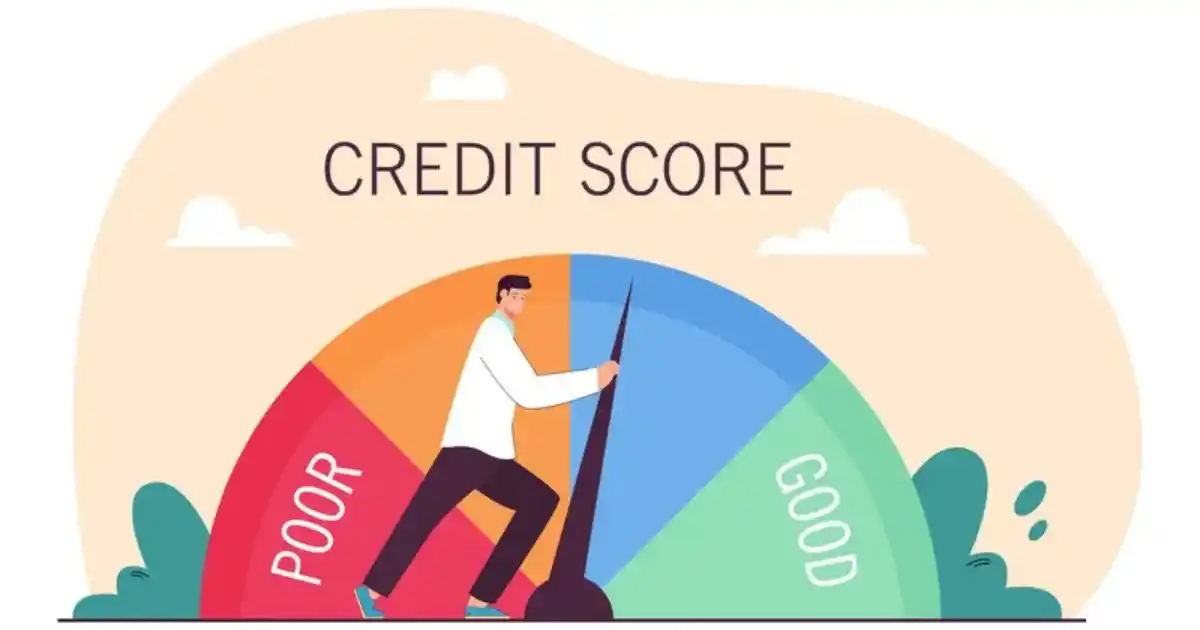
Indonesia. Financial Reputation: A Critical Driver of Entrepreneurial Success in the Digital Age
Micro, small, and medium enterprises (MSMEs) are still the backbone of Indonesia’s economy. According to data from the Indonesian Chamber of Commerce and Industry (Kadin), there were around 30.18 million MSME units by the end of 2024. While the number is significant, many business owners still struggle because of three fundamental issues: low financial literacy, limited access to funding, and an underdeveloped financial reputation.
Data from the 2025 National Financial Literacy and Inclusion Survey (SNLIK) reveals wide discrepancies in financial literacy across credit sectors. For instance, financial literacy stands at 46.66% for financing institutions, 9.80% for microfinance institutions, and 24.9% for fintech lending. On the inclusion side, participation rates show that 12.38% of people are served by financing institutions, 1.20% by microfinance entities, and 4.40% by fintech lending. These numbers underscore how much more work is needed to improve both understanding and access to financial services, whether digital or conventional.
Here, SkorKu—a credit reporting application—steps in to help. By offering a fast, relevant, and digitally optimized platform, SkorKu targets not only general consumers but also business owners and entrepreneurs.
During a recent interview, Nora Asteria, Head of Consumer Business at SkorKu, pointed out that many entrepreneurs don’t realize how crucial their personal credit history is for the sustainability of their business. “Being an entrepreneur is not just about having an idea and executing it. Financial reputation is a vital asset, because investors also look at the founder’s financial commitment and discipline,” she said.
Nora lists several classic financial pitfalls that entrepreneurs often face: mixing personal and business finances, failing to record transactions systematically, weak cash flow control, and runaway debt ratios. Even businesses with strong potential can be hampered once liquidity tightens. Many new entrepreneurs only realize how important their credit score is when it’s too late—such as when cash flow dries up, they need an emergency loan, and their application is rejected because both the business and personal credit reputations aren’t strong.
SkorKu addresses this gap by providing a mobile-accessible credit report. Its data is comprehensive, drawing on information from traditional financial institutions, fintech platforms, and increasingly used “buy now, pay later” services.
“With SkorKu, entrepreneurs can see their credit history and score, helping them recognize potential risks early,” says Nora. The platform is also built as an educational tool, featuring blog content, social campaigns, and educational graphics. These resources are especially targeted at lower-income groups, who are more vulnerable to falling into debt due to a lack of financial knowledge.
Real Challenges on the Ground
Nora acknowledges that financial problems are only part of the challenge. Risk management and operational discipline are equally critical. She warns that rapid business growth doesn’t guarantee longevity—in fact, many viral businesses stumble shortly after scaling, particularly in the post-pandemic era. The root cause? Poor financial management.
“Being an entrepreneur doesn’t mean a straight, upward trajectory. You need to strike a balance between growth and risk control,” she emphasizes. She also highlights that a business can only thrive if all teams work in sync: marketing attracts users, operations attend to customer needs and complaints, finance oversees cash flow, and compliance ensures regulatory alignment. “An entrepreneur must be able to see the business from multiple angles—not just focus on one function,” she adds.
Future Opportunities and Threats
New survey data from the Financial Services Authority (OJK) and Statistics Indonesia (BPS) show that as of 2024, Indonesia’s financial literacy index stands at 65.43%, while financial inclusion has reached about 75%. That means while more people now have access to financial services, many still lack a full understanding of how to use them wisely.
According to Nora, this gap presents a strategic opportunity. The ongoing digital transformation, the rise of fintech, and the increasing use of data analytics all open up new arenas for entrepreneurs to build credibility and unlock growth.
In this context, SkorKu positions itself as a strategic partner — helping entrepreneurs make sense of their data, build trust, and improve their chances of securing financing and business collaborations.
Nora’s message to aspiring young entrepreneurs is very clear: cultivate good financial habits early. Separate your personal and business finances, record every transaction, fulfill your obligations on time, and monitor your credit score regularly.
“Success isn’t just about having a big idea—it’s about financial responsibility consistency,” she says. For her, financial reputation isn’t a mere number on paper—it’s capital of trust, built with customers, investors, banks, and business partners. With a strong financial foundation, entrepreneurs are more likely to seize broader opportunities in this digital age, where transparency and professionalism matter more than ever.
Comments