
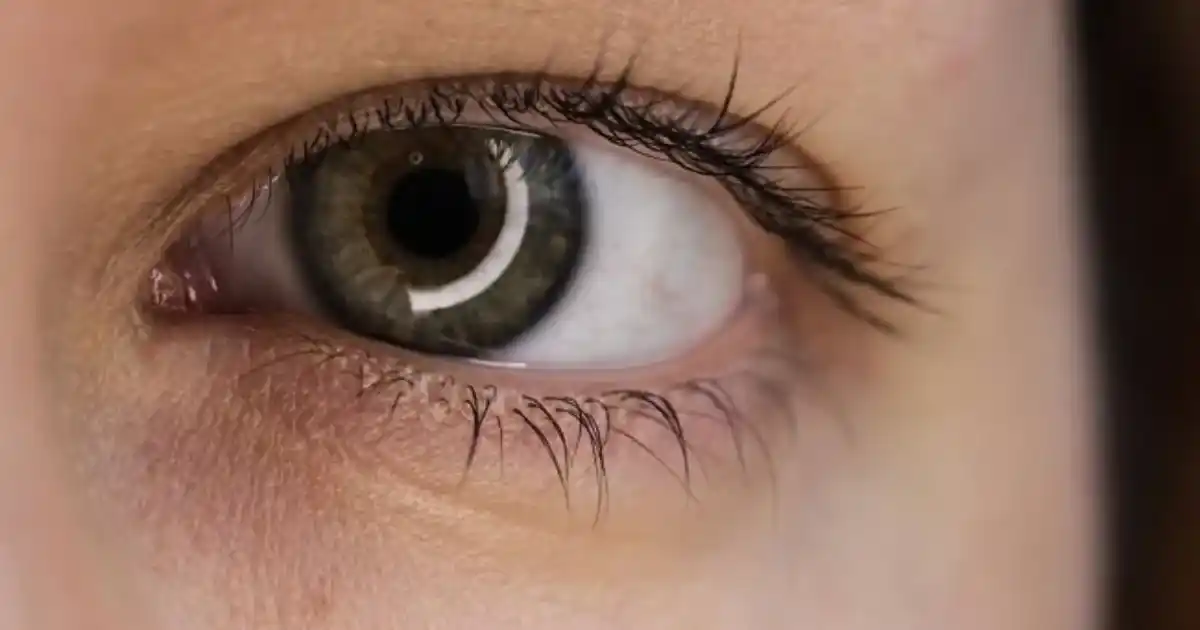
What is diabetic retinopathy?
Health. Diabetic retinopathy (DR) is a microvascular complication of diabetes in which chronically high blood sugar damages the tiny blood vessels in the retina — the light-sensing tissue at the back of the eye. Over time these damaged vessels can leak fluid, become blocked, or trigger the growth of fragile new vessels that bleed or scar, all of which threaten clear vision.
Why it matters (the scale of the problem)
DR is one of the leading causes of vision impairment and preventable blindness among working-age adults worldwide. Large reviews estimate that roughly one in five people with diabetes has some degree of retinopathy, and millions are at risk of sight-threatening forms that require treatment. The growing global diabetes burden means diabetic retinopathy cases are projected to rise substantially in the coming decades.
How diabetic retinopathy develops (stages)
- Mild non-proliferative DR: Early microaneurysms (tiny vessel bulges); often no symptoms.
- Moderate to severe non-proliferative DR: Increasing vessel blockage, fluid leakage, and retinal swelling.
- Proliferative DR (advanced): New abnormal vessels form (neovascularization); these can bleed, cause scar tissue, and lead to retinal detachment or severe vision loss.
Macular edema — swelling of the central retina — can occur at any stage and is a common cause of blurred central vision.
Common symptoms to watch for
Many people with early DR have no symptoms. As the disease progresses, symptoms may include:
- Blurred or distorted central vision
- Dark or floating spots (floaters) in the field of view
- Areas of vision loss or blind spots
- Sudden vision changes from vitreous hemorrhage or retinal detachment
Because early stages are often painless and symptomless, regular screening is essential.
Major risk factors
- Duration of diabetes: risk rises with each year after diagnosis.
- Poor blood sugar control (high HbA1c): strongest modifiable risk factor.
- High blood pressure and high cholesterol.
- Kidney disease (nephropathy) and pregnancy in people with diabetes can increase risk.
Controlling systemic risk factors reduces the chance of progression to sight-threatening disease.
Diagnosis — how doctors detect it
Eye specialists screen for DR using dilated retinal exams and retinal imaging (fundus photography). Advanced imaging such as optical coherence tomography (OCT) helps detect macular swelling. Population screening programs and AI-assisted retinal image analysis are increasingly used to find cases early.
Treatments that protect vision
- Optimal diabetes and blood pressure control — foundational to preventing progression.
- Laser photocoagulation — reduces risk of severe vision loss in proliferative disease.
- Intravitreal injections (anti-VEGF drugs) — effective for diabetic macular edema and some proliferative cases.
- Vitrectomy surgery — used when there is non-clearing vitreous hemorrhage or retinal detachment.
Timely treatment can preserve vision; however, advanced damage can be irreversible, which is why early detection matters.
Prevention: practical steps to reduce risk
- Keep blood glucose within target ranges (work with your care team).
- Control blood pressure and lipids.
- Quit smoking.
- Have a comprehensive eye exam at least once a year (more often if abnormalities are found).
- Pregnant people with diabetes should have eye checks early in pregnancy and postpartum. Regular screening and prompt referral for treatment are proven strategies to prevent avoidable blindness.
When to see an eye specialist immediately
Seek urgent ophthalmic care for sudden vision loss, sudden increase in floaters, flashes of light, or a curtain-like shadow over part of your vision — these can indicate retinal detachment or a large vitreous bleed.
Bottom line (call to action)
Diabetic retinopathy is common but largely preventable and treatable if detected early. If you have diabetes, prioritize regular retinal screening and tight control of blood sugar and blood pressure — these are the best defenses to protect your sight.
Comments