
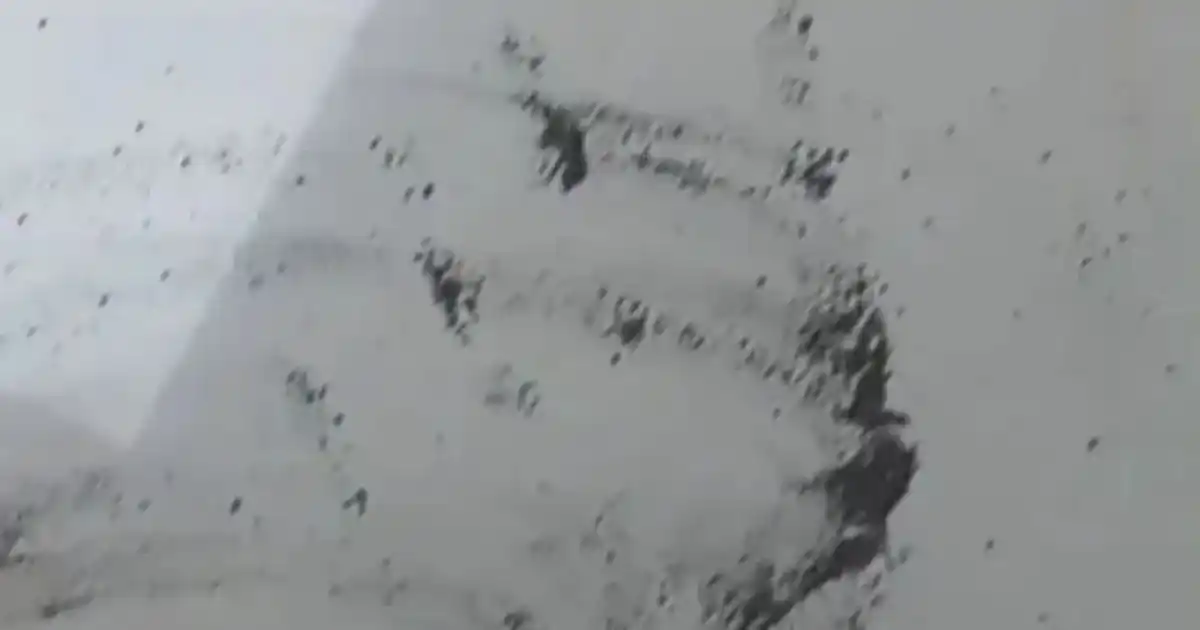
Health. For several weeks, residents of Kaliabang Bahagia in Pejuang, Medan Satria, Bekasi have been waking up to a worrying sight: a thin, stubborn layer of black dust covering doorsteps, vehicles, and walls.
Despite repeated cleaning every night and early morning, the gritty residue reappears, leaving families uneasy and many people reporting new or worsening respiratory symptoms.
The dust is fine and clingy; sweeping spreads it into the air, and only wet cleaning or scrubbing removes it from surfaces. Parents say children cough more frequently in the mornings, and some pregnant women report staying indoors more often to avoid exposure. Local residents are understandably concerned about the health consequences of repeated inhalation of microscopic particles.
Suspected industrial origin
Neighbors and community leaders suspect nearby industrial activity may be the source. The area hosts multiple factories, some of which reportedly use coal-fired processes. While residents point to smokestacks and periodic emissions as likely culprits, the exact source of the dust has not yet been confirmed. Local environmental authorities have begun collecting samples for laboratory analysis, but results and a definitive cause remain pending.
Health risks and expert advice
Public health experts warn that prolonged exposure to fine particulate matter can harm the respiratory system. Short-term effects include coughing, throat irritation, and exacerbation of asthma or bronchitis. Long-term exposure to certain industrial particulates is associated with more severe outcomes, including chronic respiratory disease and an elevated risk of lung cancer in some cases.
Health professionals recommend practical precautions for residents while investigations continue:
- Use proper masks (N95 or equivalent) when going outdoors; ordinary surgical masks do not filter fine particles effectively.
- Keep doors and windows closed during early morning hours when dust appears heaviest.
- Avoid dry sweeping. Clean surfaces by wet mopping or wiping to reduce airborne re-suspension.
- If available, run indoor air purifiers with HEPA filters to capture fine particles.
- Shower and change clothes after being outdoors; wash exposed clothing promptly.
- Visit local health clinics (puskesmas) if respiratory symptoms appear or worsen, and document symptoms to support public health monitoring.
Community response and calls for action
Residents are asking local government and the Bekasi Environmental Agency to accelerate their testing and publish findings. They want a clear determination of whether nearby factories or other sources are responsible and are calling for stricter enforcement of environmental regulations if industrial emissions are the cause. Community leaders say they will continue to press for transparency, remediation, and protective measures for vulnerable groups such as children and pregnant women.
What to watch next
Authorities’ laboratory results will be key to identifying the dust’s chemical composition and source. Once test results are published, possible next steps include targeted inspections, mandatory emission controls for identified polluters, and community health monitoring. Until then, residents are urged to take protective measures and to report health issues to local clinics so that authorities have a clearer picture of the public health impact.
Comments