
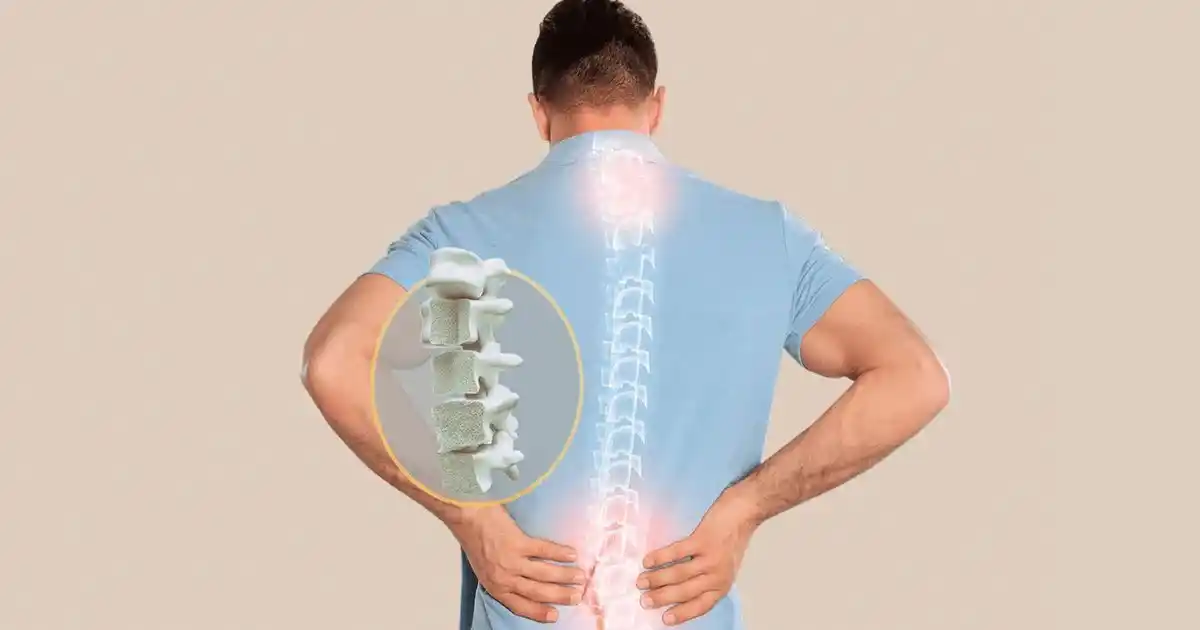
Indonesia. Osteoporosis is a growing health concern in Indonesia: many people don’t get enough calcium, which increases the risk of fragile bones and fractures later in life. Global data show that osteoporosis disproportionately affects women, and experts warn that prevention needs to start early through diet, lifestyle, and—when appropriate—supplements.
Why this matters now
Worldwide, about one in three women and one in five men over age 50 will suffer a bone fracture related to osteoporosis. In Indonesia the problem is especially visible: studies and expert reports put prevalence among women at roughly 23% for ages 50–70 and up to 53% for those over 70. That high burden translates into reduced independence and major social and economic costs for survivors.
The calcium gap
Orthopedic specialists note that bone mass peaks during the 20s and 30s, making that window critical for building strong bones. When daily calcium intake is inadequate, the body withdraws calcium from bone stores, gradually reducing bone density and raising the risk of osteoporosis and fractures. Alarmingly, Indonesian adults on average consume only about 25% of their recommended daily calcium needs—far below what’s needed to maintain lifelong bone health.
Prevention: simple, evidence-based steps
Experts and public health programs emphasize that osteoporosis is not just an “old-age” problem but the result of lifelong habits. Practical prevention strategies include:
- Regular weight-bearing and resistance exercise to strengthen bone and muscle.
- Sufficient vitamin D through safe sun exposure and dietary sources to help calcium absorption.
- Dietary choices that supply calcium (see food suggestions below).
- Avoiding smoking and excessive alcohol, both of which harm bone health.
- Supplements when diet and sun exposure aren’t enough—but use them under medical guidance.
What individuals can do today
- Add calcium-rich foods: dairy (milk, yogurt, cheese), calcium-fortified plant milks, tofu made with calcium sulfate, small oily fish eaten with bones (e.g., sardines), leafy greens (bok choy, kale).
- Support absorption with vitamin D: brief, regular sun exposure and vitamin-D-rich foods (fatty fish, fortified foods) help the body use calcium effectively.
- Move more: brisk walking, jogging, stair climbing, resistance training, and balance exercises all protect bone and reduce fall risk.
- Talk with a clinician about bone-density screening if you’re over 50, have risk factors (family history, early menopause, long-term steroid use), or have had low-trauma fractures. Supplements and treatment should be personalized.
A note from public health and industry efforts
Health advocates and some healthcare partners are pushing education and habit-building campaigns to help Indonesians meet calcium and vitamin D needs earlier in life. The goal is to shift behavior now so fewer people face loss of independence and costly fractures later.