
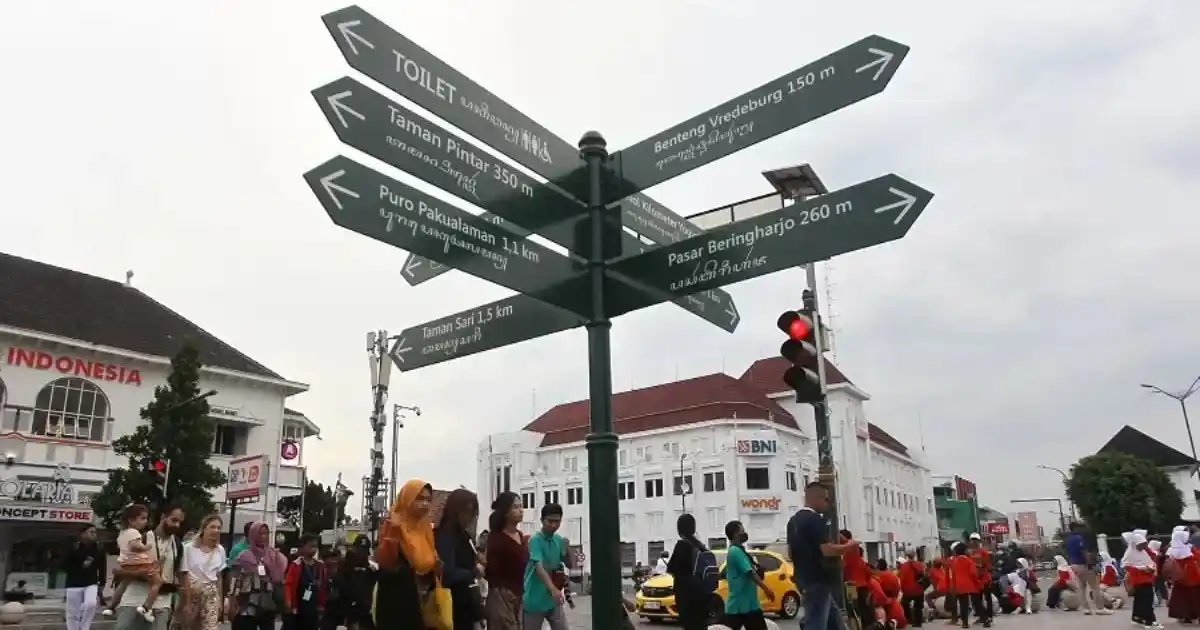
Yogyakarta. The city of Yogyakarta has taken bold steps to become a model of urban disaster resilience. On Thursday, 30 October 2025, the city government held a public declaration titled “Towards Jogja Tangguh Bencana” (Towards a Disaster-Resilient Yogyakarta) at the City Hall.
This declaration marks the culmination of the month-long “Disaster Risk Reduction Month” (Bulan Pengurangan Risiko Bencana) and signals a unified commitment to strengthening disaster prevention and response across all sectors.
Why It Matters
Yogyakarta faces a range of natural hazard risks — from earthquakes and volcanic activity to floods, landslides, and extreme weather. According to the local disaster management agency, the city’s geographic and climatological conditions make it particularly vulnerable.
Given that context, building resilience is not only about infrastructure but also about governance, community readiness, ecosystem protection, and cross-sector collaboration.
The Ten Disaster-Resilience Indicators
City officials say Yogyakarta is still in the process of fulfilling ten key indicators of disaster resilience. These indicators provide a roadmap for transforming the city into a more disaster-resilient urban area. The ten indicators are:
- Organisational structure and coordination for disaster management.
- Disaster-risk assessment and hazard mapping.
- Financial planning and budget allocation for disaster risk reduction.
- Disaster-resilient urban design and construction.
- Ecosystem services and buffer zones (natural mitigation).
- Institutional capacity and governance.
- Community capacity and readiness (including local “Disaster-Resilient Villages”).
- Protective infrastructure (e.g., early warning systems, drainage).
- Disaster preparedness and rapid response.
- Post-disaster recovery planning and “build back better” development.
Five-Year Target for Full Achievement
According to the head of the city’s Badan Penanggulangan Bencana Daerah Kota Yogyakarta (BPBD), Mr. Nur Hidayat, the goal is to achieve full compliance with all ten indicators within the next five years.
He emphasises that the word “towards” (“menuju”) in the campaign name reflects the fact that these indicators are not yet fully met and require concerted effort across institutions, budgets, stakeholder collaboration, and community involvement.
Key Initiatives and Strategies
Strengthening Community-Level Resilience
The city has been expanding its network of “Disaster-Resilient Villages” (Kampung Tangguh Bencana or KTB). These are community-based hubs for preparedness, early warning, and first-response readiness. As of late October 2025, Yogyakarta has 169 KTB clusters active across the city.
For example, in the Gedongkiwo KTB, residents living along a riverbank identified landslide-prone zones and started local mitigation actions such as embankments and response planning.
Early Warning System (EWS) and Infrastructure
BPBD has scheduled the testing of Early Warning Systems (EWS) on rivers in Yogyakarta on 4 November 2025, as part of the city’s drive to ensure protective infrastructure is operational.
In parallel, the government is cleaning drainage channels, improving storm-water management, and tackling site-specific hazards as the rainy season intensifies.
Multi-Stakeholder Collaboration and Training
The city’s declaration emphasises collaboration across a “penta-helix” of actors: government, military/police (TNI/Polri), academia, civil society, and media. Training programmes target government agencies, local communities, first-responders, and media to build a shared vision of resilience.
Focus on Financial Planning and Institutional Strengthening
One of the key challenges noted is ensuring sufficient budget allocation for disaster-risk reduction, as well as strengthening institutional frameworks and governance to coordinate across agencies. These areas are central to fulfilling the ten-indicator roadmap.
What This Means for Residents & Stakeholders
- For residents: Stay alert, participate in your local KTB, know your neighbourhood risk zones, and engage in local drills.
- For community leaders & schools: Continue and expand preparedness activities such as simulations, evacuation drills, and awareness campaigns.
- For local government & agencies: Maintain the momentum of budgetary, infrastructural, and institutional reforms; track progress on the ten indicators.
- For private sector & NGOs: Explore partnerships in early warning, training, community resilience programmes, and urban planning that lends itself to disaster risk reduction.
- For urban planners & architects: Design and retrofit infrastructure with resilience in mind—consider hazard mapping, resilient design, and adaptive ecosystems.
Conclusion
Yogyakarta’s initiative to become a fully disaster-resilient city by fulfilling ten core indicators within five years is both ambitious and timely. By emphasising multi-stakeholder collaboration, community readiness, early warning systems, and institutional strength, the city aims to convert vulnerability into resilience. As the rainy season approaches and hazard potential remains high, the rallying cry “Toward Jogja Tangguh Bencana” is one of shared responsibility and proactive action.