
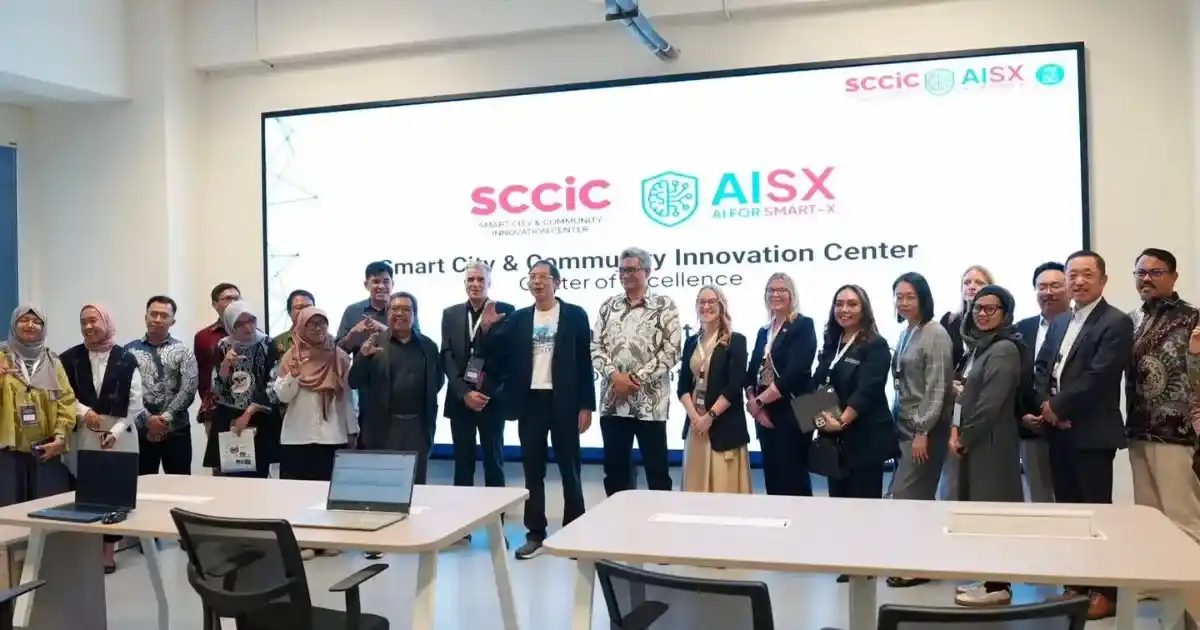
Why this visit matters
Technology. The visit aligns with Indonesia’s strategic push to strengthen higher education through international partnerships, applied research, and industry integration. The ITB Science Techno Park—positioned as a bridge between campus research and industry—served as an ideal venue for practical discussions on joint labs, pilot projects, and talent exchange.
Key takeaways
1. Strengthening bilateral education and research ties
Delegates discussed mechanisms to expand transnational education, co-funded R&D, and researcher mobility between Indonesian and UK institutions. The JWG aims to translate agreements into projects with measurable outputs.
2. University 4.0 as a guiding framework
University 4.0—focusing on deep industry integration, digital transformation, and value-driven research—was central to the talks. Delegates explored how the Techno Park’s facilities can host joint innovation programs, incubators, and industry-driven curriculum updates.
3. From research to commercial impact
Priorities included mechanisms to accelerate commercialisation: technology transfer offices, startup incubation, and industry partnerships. The goal is to turn lab findings into scalable products and services that address national priorities.
4. Capacity building and knowledge exchange
Both sides recommended expanding training programs, joint doctoral supervision, and short-term academic exchanges to build skills that support collaborative R&D and innovation ecosystems.
Institutional statements and commitments
Officials from Indonesia’s Ministry of Higher Education, Science, and Technology emphasised the need for action-oriented partnerships that produce real-world impact. UK representatives echoed support for co-created solutions and sustained collaboration beyond memorandums of understanding.
Next steps and outlook
Planned next steps include scoping pilot projects, defining co-funding models, and establishing working groups for specific themes (e.g., clean tech, digital health, advanced manufacturing). If implemented, these pilots would form the basis for long-term University 4.0 adoption across partner campuses.
Conclusion
The UK–Indonesia JWG 2025 visit to ITB Science Techno Park marks a practical step toward deeper bilateral cooperation—bridging research excellence with industry needs and accelerating the commercialization of university-led innovation.