
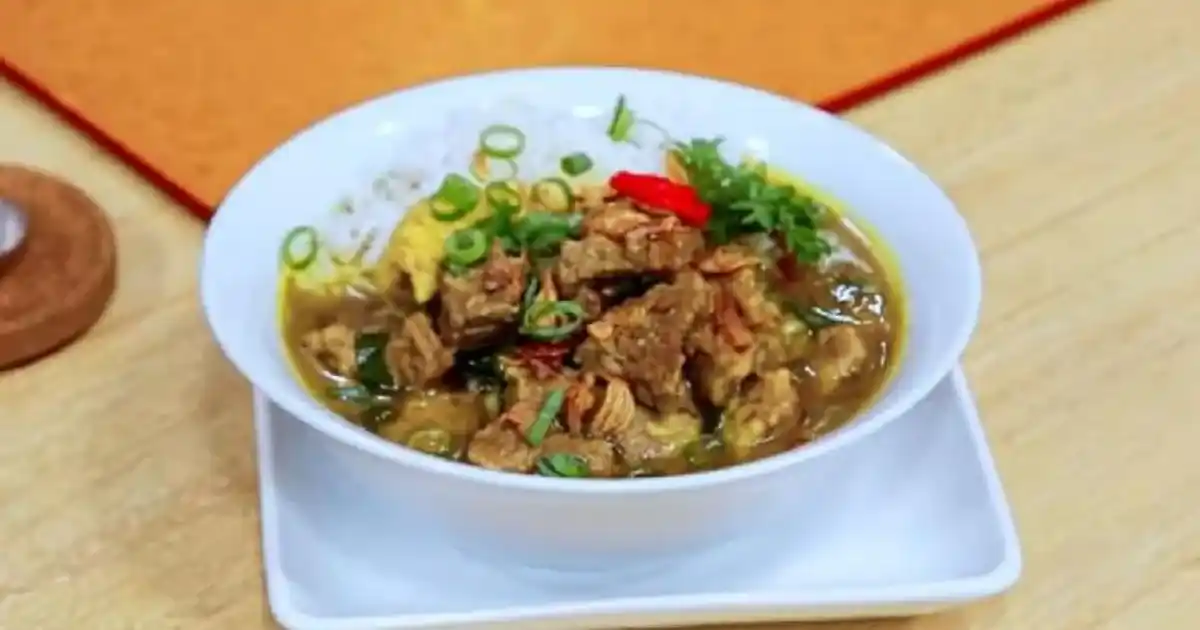
Culinary. Nasi Grombyang is one of Pemalang’s most beloved culinary traditions. This simple yet unforgettable dish — rice served in a generous bowl of spiced, clear broth with tender shredded meat — embodies the flavor and social history of Central Java. In Pemalang, Nasi Grombyang is more than food: it’s a cultural touchstone passed down across generations.
Origins and name
The name grombyang comes from a Javanese word that evokes the image of something that wobbles or floats. The phrase perfectly describes the presentation: small mounds of rice that appear to float in a shallow, aromatic broth. Nasi Grombyang began as street food sold by traveling vendors who moved from village to village carrying small woks and wooden stoves. Over time, fixed stalls and modest eateries in Pemalang preserved the original taste and serving style.
What makes it unique
Unlike many Asian rice dishes that are heavy on sauce, Nasi Grombyang features more broth than rice. The generous, clear broth is the star — savory, fragrant, and layered with traditional Javanese spices. Typical ingredients include:
- Plain steamed rice (served in small portions)
- Tender slices of beef or water buffalo
- Galangal (lengkuas), turmeric, and ginger
- Candlenut (kemiri) and Indonesian bay leaf (daun salam)
- Fried shallots and serundeng (spiced grated coconut) as finishing touches
The result is a light but richly flavored bowl where the rice gently absorbs the broth, creating a comforting balance of texture and aroma.
Cooking method and tradition
Traditional Nasi Grombyang relies on slow-simmering the broth over wood fire or charcoal. This patient cooking lets the spices open up and the meat become tender, while keeping the broth clear and fragrant. Many Pemalang vendors still follow these old methods — a culinary choice that preserves the dish’s distinct character.
Cultural importance
Nasi Grombyang carries cultural weight beyond taste. It’s often associated with memories of childhood, market mornings, and communal gatherings. The dish also has been recognized locally as part of Pemalang’s intangible culinary heritage, strengthening local pride and efforts to preserve traditional recipes and preparation techniques.
Where to try it
If you visit Central Java, look for small, family-run stalls or roadside vendors in and around Pemalang. The best bowls are simple — focused on broth quality and tender meat rather than elaborate garnishes. Ask for a small portion of rice so it truly “floats” in the broth.
Tips for tasting and serving
- Pair Nasi Grombyang with pickled vegetables or sambal for a spicy contrast.
- Enjoy it hot — the aromas are most pronounced when freshly served.
- When cooking at home, simmer the broth slowly and add fried shallots and serundeng just before serving to keep textures crisp.
Final thought
Nasi Grombyang is a subtle revelation: visually modest but rich in flavor and history. Whether you’re a curious traveler or a home cook, tasting this Pemalang specialty is a direct way to experience local Javanese tradition — one floating spoonful at a time.