
Book. Indonesia’s relationship with books has changed dramatically in the digital age.
Connected to smartphones most hours of the day, many Indonesians now prefer short videos and social content over long-form reading. Yet across the country, grassroots reading groups are quietly pushing back—one page at a time.
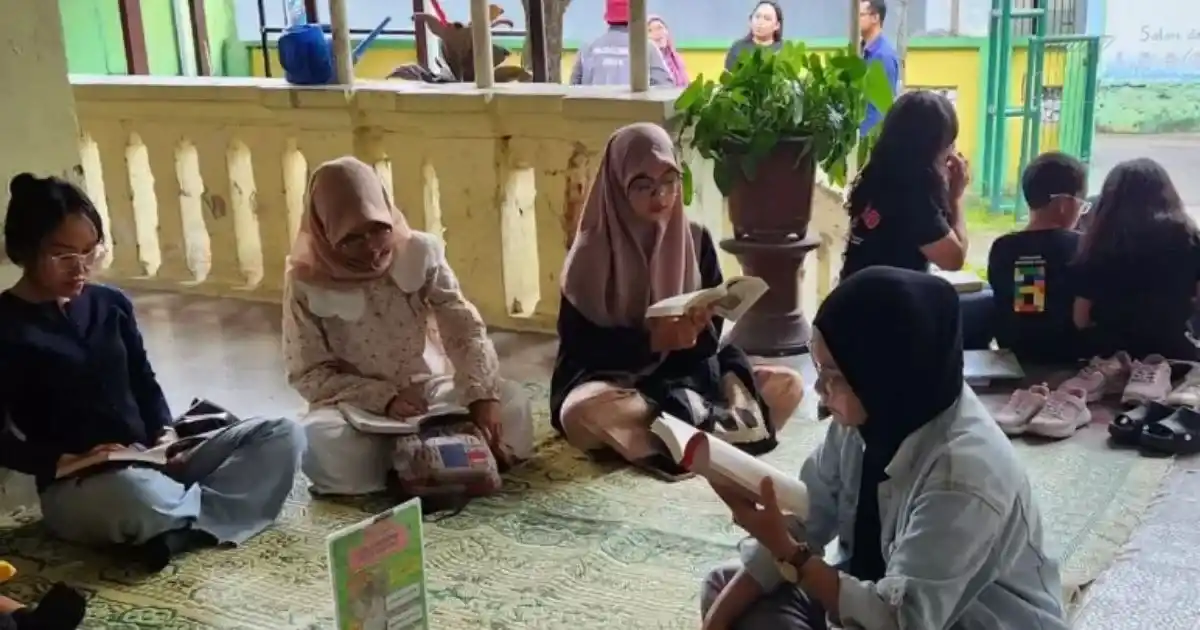
In Yogyakarta, Baca Bareng Jogja is a local example of how low-effort, social reading can reintroduce books into daily life. Every Saturday the group hosts silent reading sessions: people gather, open their books and read together—no speeches, no formal instruction—just the shared ritual of reading in public. The aim is simple: normalize reading as an everyday activity rather than an academic chore or solitary pastime. (Kr Jogja – Paling Mengerti Jogja)
Aditya Hernawan, one of the initiative’s founders, says the problem is not that Indonesians dislike reading—rather, many feel awkward doing it alone in public. That social hesitation is precisely why communal reading helps. When reading becomes a group habit, it’s easier for newcomers to try it and stay with it. Aditya encourages starting small: light, accessible texts or short online articles can be the gateway to longer reading habits. (Kr Jogja – Paling Mengerti Jogja)
Participants confirm this approach. Some discover a book that hooks them and feel motivated to read more; others bring friends to sessions and slowly change their circles into reading-friendly spaces. The ripple effect is part of the power: more meetups mean more visibility, and greater visibility reduces the social barriers around reading.
Community reading groups also play a preventive role against what critics call a national “literacy emergency.” By meeting regularly, these groups create micro-environments where curiosity and reading are celebrated rather than dismissed. For organizers, the goal is cultural: to reshape how reading is perceived—less as an obligation and more as a normal, pleasant habit anyone can enjoy anywhere.
Practical tips for starting or scaling a reading group:
- Keep sessions short and regular (e.g., 60 minutes weekly).
- Use silent reading blocks to reduce pressure on participants.
- Encourage attendees to bring any reading—articles, short stories, comics—to lower the entry barrier.
- Use social media to showcase real people reading (normalization > preaching).
- Partner with local cafés, schools, or cultural events to reach wider audiences.
Reading communities won’t solve systemic educational challenges by themselves, but they are a low-cost, high-impact complement to formal literacy programs. Small steps—one public reading session at a time—can create momentum that informs policy conversations, encourages publishers to create more accessible content, and nudges families to read together at home.
If you are in Indonesia and want to get involved, check for local reading circles or start a micro-session in your neighborhood—invite a few friends, set a short time, and just read. Over time, these modest actions add up and help move a culture back toward books.